It is 10:45 AM on a Tuesday. You have been sitting in the conference room—or staring at the Zoom window—for 45 minutes. The hiring manager closes their notebook, looks at the clock, and asks the inevitable final question: “So, do you have any questions for us?” Your palms are sweating. You are tempted to ask about the lunch break or simply say, “No, I think you covered everything.” Stop right there. That moment of silence is the single biggest destroyer of salary leverage in 2026. According to recent data from the Bureau of Labor Statistics and LinkedIn, nearly 20% of new hires regret their decision within the first six months—a phenomenon dubbed “The Great Regret.” Asking the right questions is not just about curiosity; it is your only defense against walking into a toxic workplace or a role destined for AI redundancy. Here is how to take control of the final five minutes.

1. The Silent Career Killer: Why You Must Audit the Employer
Most candidates treat the interview as a one-way street where they are the only ones being evaluated. This mindset is dangerous. In the current 2026 job market, where economic volatility meets rapid technological shifts, accepting a job offer without due diligence is akin to buying a house without an inspection.
1.1 The Economics of a Bad Hire
Companies are terrified of “bad hires.” A report by HumCap estimates that a single failed hire costs a company between 30% and 50% of that employee’s first-year salary. But what about the cost to you? If you join a sinking ship or a disorganized team, the cost is not just financial—it is a stain on your resume and a setback to your career trajectory. When you ask sharp, investigative questions, you signal to the hiring manager that you are a professional who calculates risk, not just a desperate applicant looking for a paycheck.
1.2 Turning the Tables
The moment you ask a strategic question, the power dynamic shifts. You are no longer the “candidate”; you become a “consultant” evaluating a potential partnership. This subtle psychological shift is crucial for salary negotiation later. If they perceive you as a high-value asset who is picky about where they work, their desire to secure you increases.
| Metric | The Passive Candidate | The Strategic Candidate (You) | Impact on Offer |
|---|---|---|---|
| Interview Mindset | “Please hire me.” | “Is this the right fit for me?” | High Leverage |
| Question Depth | Surface level (Hours, Benefits) | Operational & Cultural (Challenges, Goals) | Perceived Competence |
| Risk Assessment | Ignores Red Flags | Actively audits for toxicity | Long-term Security |
2. Detecting Toxic Culture: The “Red Flag” Radar
We have all heard the horror stories. You start a new job, and within a week, you realize the manager is a micromanager, or the team is burnt out. In 2025, MIT Sloan Management Review identified “toxic culture” as the number one driver of resignation—10.4 times more powerful than salary issues. You cannot afford to be polite about this.
2.1 Decoding the “Family” Myth
If a hiring manager says, “We are like a family here,” run. In a professional context, “family” often translates to “we expect unpaid overtime and lack boundaries.” Instead of asking, “What is the culture like?” (which invites a scripted, positive answer), ask for specific examples of behavior under stress.
2.2 The Turnover Test Question
Try asking this: “Can you tell me about the last person who held this role? Where did they go, and how did the team adapt?” Their reaction will tell you everything. If they shift uncomfortably or speak negatively about the former employee, take note. A healthy organization respects its alumni. An evasive answer suggests high turnover due to poor management.
| Hiring Manager’s Answer | The Hidden Meaning | Your Action Plan |
|---|---|---|
| “They couldn’t handle the pace.” | Burnout culture / Unrealistic KPIs | Probe deeper into workload |
| “They were promoted internally.” | Growth-oriented culture | Green flag: Proceed |
| “We don’t really discuss that.” | Legal issues or Bad blood | Red flag: Reconsider |
3. Future-Proofing: The Mandatory AI & Growth Inquiry
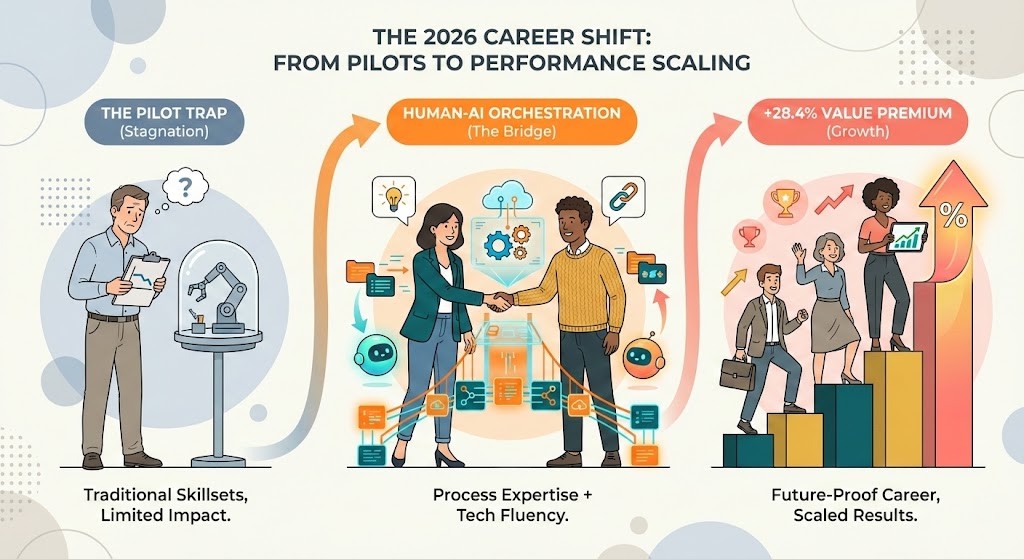
It is 2026. If you are not talking about AI and automation during your interview, you are already behind. The integration of AI tools is no longer a “nice-to-have”; it is a survival skill. PwC’s 2025 Global AI Jobs Barometer shows a 56% wage premium for roles requiring AI skills. You need to know if this company is investing in your relevance or planning your obsolescence.
3.1 Are You Replacing or Augmenting?
Do not be afraid to ask: “How is your team currently integrating AI tools into your daily workflow, and how do you see this role evolving with those technologies over the next year?” This question does two things. First, it frames you as a forward-thinking, tech-savvy professional. Second, it reveals the company’s tech maturity. If they look confused or dismissive, that is a warning sign that the company is stagnating.
3.2 The Training Budget Reality
Follow up with: “How does the company support upskilling for these new technologies?” A company that expects you to learn everything on your own time is a company that undervalues its human capital. Look for concrete answers about training budgets, workshops, or subscriptions to learning platforms.
| Topic | Old School Question (Avoid) | 2026 Strategic Question (Ask) | Why It Works |
|---|---|---|---|
| Growth | “Is there room for promotion?” | “How have you measured success for this role in the past?” | Focuses on metrics |
| Tools | “What software do you use?” | “How are you leveraging AI to reduce low-value tasks?” | Shows efficiency focus |
| Stability | ” Is the company stable?” | “What is the biggest challenge the team faces this quarter?” | Reveals reality |
4. The Psychological Close: Planting the Visualization Seed
The final question you ask should not be about logistics. It should be a psychological trigger that forces the interviewer to imagine you already working there. This is a technique advocated by career strategists like Andrew LaCivita, and it remains powerfully effective.
4.1 The “Success Definition” Trigger
Ask this verbatim: “If I started this job tomorrow, and a year from now you and I were reviewing my performance, what specific accomplishments would lead you to say I was an outstanding hire?” This question is brilliant because it forces the interviewer to visualize a positive future with you in it. It moves the conversation from “evaluating a candidate” to “planning a future with a colleague.”
4.2 Leaving as a Colleague, Not a Candidate
By asking these deep, operational, and cultural questions, you change the vibe of the room. You leave the interview not as a supplicant asking for a favor, but as a peer discussing a business problem. That is the energy that gets hired. That is the energy that commands a higher starting salary.
References
- HumCap. (2025). The True Cost of Bad Hires: Financial Impact Analysis.
- MIT Sloan Management Review. (2025). Toxic Culture Is Driving the Great Resignation.
- PwC. (2025). Global AI Jobs Barometer: The AI Wage Premium.
- Bureau of Labor Statistics. (2025). Job Openings and Labor Turnover Survey (JOLTS).
Disclaimer
This article is for informational purposes only and does not constitute career counseling or legal advice. Market conditions vary by industry and location. Always conduct your own due diligence before making career decisions.