It is 11:30 PM on a Tuesday. You are exhausted from a long day at the office, but instead of sleeping, you are scrolling through TikTok or Instagram. Suddenly, a video pops up: a gadget that promises to slice vegetables in seconds or a $10 duplicate of a luxury jacket. Without thinking, you click “Buy Now”. It feels like a small reward for your hard work. However, this is not just a bad habit; it is a systemic economic trap. In 2025, 84% of consumers reported making impulse purchases, often regretting them later. With inflation still impacting real wages and the global youth unemployment rate hovering around 11.9%, every dollar spent on low-quality goods is a dollar stolen from your future stability. This article analyzes how algorithms manipulate your spending, the true cost of “cheap” products, and how this mindset negatively affects your career growth.
1. Analysis of Modern Impulse Buying Mechanisms
The way we shop has fundamentally changed. In the past, you had to physically go to a store or search for a product on a website. Today, the product finds you. Platforms like TikTok Shop and Instagram Checkout have removed the friction between “seeing” and “buying”. This is not accidental; it is a sophisticated engineering of human psychology designed to bypass your rational decision-making process.
1.1 The Psychology Behind Seamless Transactions
Tech companies utilize a concept called “frictionless commerce”. By storing your credit card information and address, they reduce the time to purchase to under three seconds. This speed prevents your brain from activating its analytical cortex, which evaluates necessity and budget. Instead, the purchase is driven by the limbic system, seeking a quick dopamine hit. Recent data from 2025 indicates that seamless in-app purchasing features have increased conversion rates by over 100% compared to traditional e-commerce models. For a tired professional, this means your willpower is fighting against a supercomputer trained to sell you things you do not need.
1.2 The Role of Algorithms in Manufacturing Desire
Algorithms do not just show you what you like; they identify your vulnerabilities. If you pause on a video about organizing a messy desk, the algorithm infers you are stressed about productivity. It then bombards you with ads for cheap organizers, claiming they will solve your life problems. This is predatory targeting. The video “How social media fuels useless products” highlights this phenomenon: we are not buying the product itself, but the fantasy of a better life that the video depicts. However, because the products are often low-quality drop-shipped items, the satisfaction is fleeting, leading to a cycle of repeat purchases.
| Mechanism | Traditional Shopping | Algorithmic Shopping (Current) | Impact on Wallet |
|---|---|---|---|
| Trigger | Need (Running out of soap) | Manufactured Desire (Viral Video) | High Unplanned Spend |
| Decision Time | Minutes to Days | Seconds | Zero Rational Filtering |
| Product Quality | Brand Verified | Unverified / Drop-shipped | Frequent Replacement Costs |
2. The Real Cost of Low-Quality Consumption
We often justify buying cheap items by saying, “It is only $5.” This creates a false sense of frugality. However, when analyzed over a year, this habit creates significant financial leakage. This is known as the “Boots Theory” of socioeconomic unfairness: buying cheap goods that break frequently costs more in the long run than buying one expensive, durable item.
2.1 Financial Leakage Due to Frequent Replacements
Let us look at the numbers. A $10 fast-fashion shirt might last five washes before losing its shape. A $50 quality shirt might last 50 washes. The cost per wear of the cheap shirt is $2.00, while the quality shirt is $1.00. Multiply this across your entire household—kitchen gadgets, electronics, decor—and you are paying a “poverty tax” imposed by your own shopping habits. In an era of high inflation, where the cost of living in major cities has risen sharply, preserving cash flow is critical. Spending $150 a month on impulse buys sums up to $1,800 a year—money that could have been invested in an index fund or used for professional certification.
2.2 Environmental Data and Corporate Responsibility
Beyond personal finance, there is a systemic cost. Companies like Shein and Temu operate on an ultra-fast fashion model. Despite claims of sustainability, Shein’s carbon emissions surged by 23.1% in 2024, reaching over 26 million tons. This business model relies on overproduction and waste. By participating in this cycle, consumers are effectively voting for a market that prioritizes speed and waste over quality and longevity. Recognizing this reality is the first step toward breaking the cycle.
| Item Category | Cheap Option (Annual Cost) | Quality Option (Annual Cost) | 5-Year Savings with Quality |
|---|---|---|---|
| Work Clothing | $400 (Replaced quarterly) | $150 (Durable basics) | $1,250 Saved |
| Tech Gadgets | $200 (Break/Obsolete fast) | $100 (Reliable brands) | $500 Saved |
| Home Goods | $300 (Trendy junk) | $50 (Timeless pieces) | $1,250 Saved |
3. Correlation Between Consumption Habits and Career Performance
Your spending habits often mirror your professional habits. The mindset that drives you to buy cheap, quick-fix products can bleed into how you approach your career. In a competitive job market, this can be fatal to your advancement.
3.1 The Danger of the Dropshipping Mindset in the Workplace
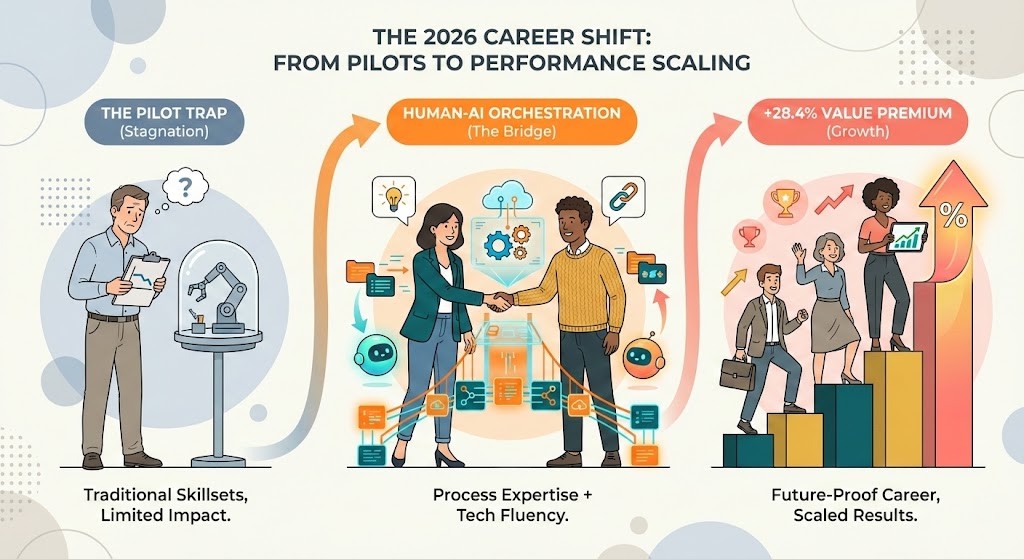
The “Dropshipping Mindset” focuses on quick wins, superficial appearances, and low effort. In the workplace, this manifests as employees who prioritize looking busy over creating actual value, or who use AI to generate mediocre reports without insight. Just as a cheap product disappoints the customer, a “dropshipping” employee disappoints their manager. To survive the potential workforce reductions of 2026, you must become a “luxury good” employee: reliable, high-quality, and difficult to replace. You need to deliver work that stands the test of time, not work that is discarded like fast fashion.
3.2 Comparing Deep Work with Shallow Distractions
Constant shopping feeds the brain’s addiction to distraction. If you cannot resist a 15-second TikTok ad, how can you focus on a 4-hour deep work session required for complex problem-solving? The ability to focus is the new IQ. High-performers protect their attention spans aggressively. They understand that their mental energy is a finite resource. spending it on browsing shopping apps depletes the cognitive reserve needed for strategic thinking, leadership, and skill acquisition.
| Attribute | The “Fast Fashion” Employee | The “Luxury Good” Employee | Career Consequence |
|---|---|---|---|
| Focus | Distracted by trends/noise | Deep Work & Strategy | Promotion vs. Stagnation |
| Output Quality | Looks good quickly, fails later | Robust and thoroughly tested | Trust vs. Micromanagement |
| Resilience | Fragile, needs constant validation | Durable, solves hard problems | Retained vs. Laid off |
4. Practical Strategies for Asset Protection and Growth
The solution is not to live like a monk, but to become a conscious strategist with your resources. We call this “Financial Defense”. Here is how to stop the bleeding and redirect your resources toward growth.
4.1 The 72-Hour Rule and Financial Defense
Implement a strict protocol for all non-essential purchases. If you see something you want, wait 72 hours. During this cooling-off period, the dopamine rush will fade, and your rational brain will return. 90% of the time, you will realize you do not need the item. Additionally, unsubscribe from marketing emails and remove your credit card details from apps. Adding friction back into the buying process is the most effective way to save money. Treat your bank account like a company’s balance sheet; you are the CFO of your life.
4.2 Investing in Skills Instead of Products
Instead of buying products to feel better, invest in skills that make you better. The $50 you saved on a trendy sweater can buy a book on negotiation, a course on data analysis, or a ticket to a networking event. In the current economic climate, your skills are the only asset that inflation cannot erode. When you shift your dopamine source from “buying” to “learning and earning”, you break the algorithm’s control over your life.
References
- International Monetary Fund (IMF), World Economic Outlook Report, 2025
- Shein Group, 2024 Sustainability and Social Impact Report, 2025
- Bankrate, Social Media Impulse Buying Survey Data, 2025
- Morning Consult, The State of Influencer Marketing & Consumer Trust, 2025
Disclaimer
This content is for informational purposes only and does not constitute financial or career advice. Economic conditions vary by region and individual circumstances. Please consult with a qualified financial advisor or career counselor before making significant financial decisions.